The early public discussion
The original website documented discussion of the proposal in The Globe and Mail, NRU and housing research. These publications helped introduce the proposal to a wider audience.
The Globe and Mail · October 2018Transition Zones
The writing and studies behind the proposal.
Follow the development of Transition Zones through public discussion, published research and applied studies. Further reading connects the proposal with courtyard housing and the wider questions explored in The Space Between.
The complete proposal
Read the policy analysis, area case studies, development standards and implementation recommendations in one illustrated report.
The development of the idea
The original website documented discussion of the proposal in The Globe and Mail, NRU and housing research. These publications helped introduce the proposal to a wider audience.
The Globe and Mail · October 2018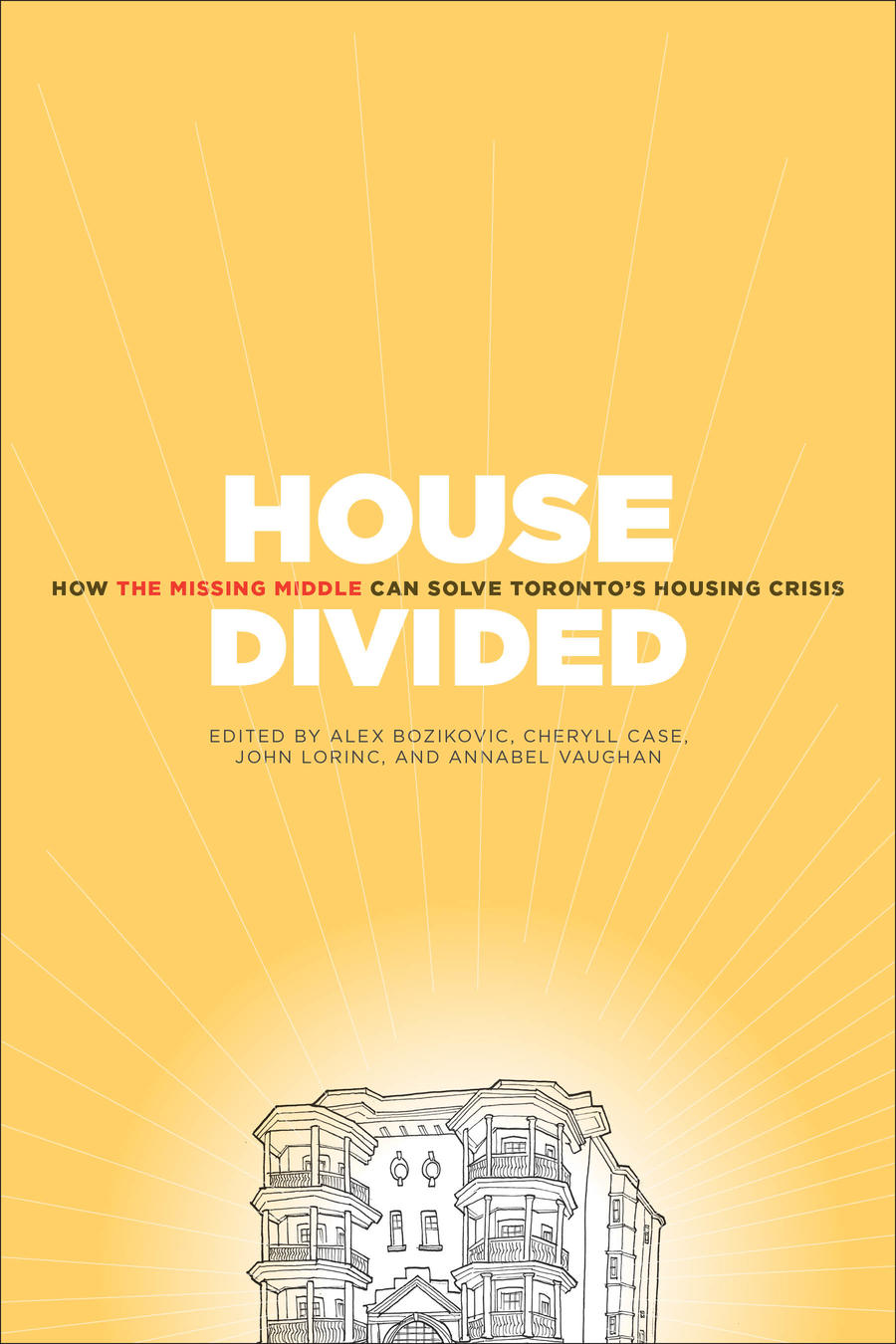
2019 / Coach House Books
How the Missing Middle Can Solve Toronto’s Housing Crisis
Blair Scorgie and Sean Hertel’s chapter, The Affordability Case for Transition Zoning, sets out the proposal within a wider discussion of housing choice and neighbourhood change.
The anthology brings together research, policy proposals and design ideas for missing-middle housing in Toronto.
Visit the publisherThe Centre for Urban Research and Land Development report by Frank Clayton and Diana Petramala recommends transition areas alongside broader changes to neighbourhood and corridor permissions.
Read the CUR reportBlair Scorgie’s article in Spacing sets out the core spatial argument and distinguishes Transition Zones from approaches focused on the rear of an Avenue property.
Read in SpacingThe City Building Institute report places Density Transition Zones within a wider examination of gentle density and housing opportunities in residential neighbourhoods.
Read the research reportA Fall 2024 School of Urban and Regional Planning studio, undertaken with CLIP Homes and instructed by Blair Scorgie, was established to test the framework through background analysis, design concepts and implementation recommendations across different Toronto conditions.
Enquire about the studyRelated design research and writing
These two works explore complementary questions: how shared courts could fit Toronto’s lots, and how growth can be planned at neighbourhood edges.

2025 / Neptis Foundation
Learning from European Blocks develops courtyard housing on Toronto lots and identifies the regulations that would need to change. Studio VAARO and Gabriel Fain Architects bring buildings, shared outdoor space and access into one architectural proposition.
Mapped Transition Zones could provide places to test elements of that approach. The study helps frame the design and regulatory questions; ownership, construction, financing and phased delivery also need workable arrangements.
From courtyard research to testing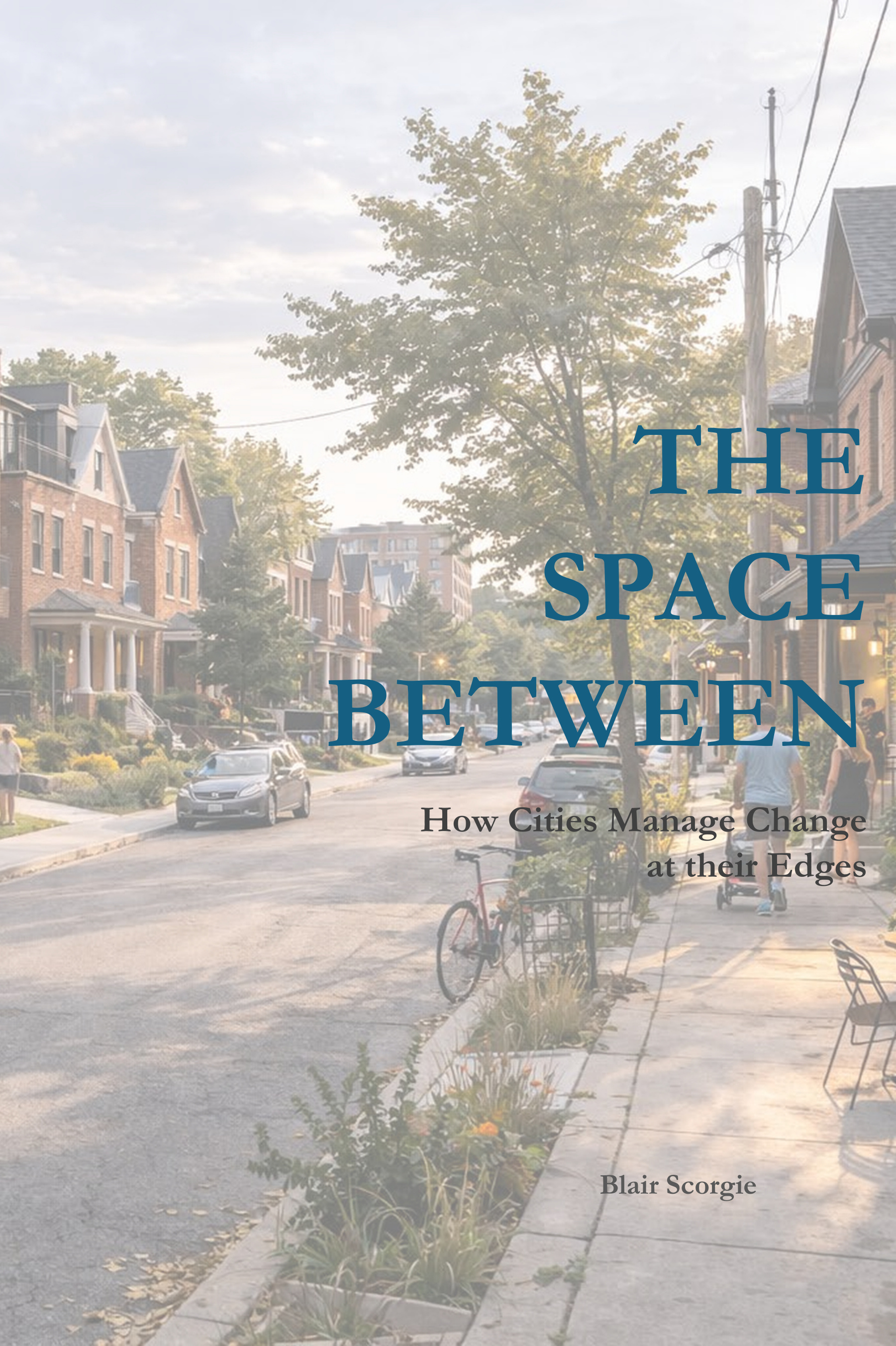
2026 / Blair Scorgie
How Cities Manage Change at their Edges
The book takes a closer look at the places where growth expectations meet established neighbourhoods, and the decisions planners make at those edges. It examines how planning policies and professional judgment shape the possibilities for change.
These are also questions behind Transition Zones: where additional housing can fit, how neighbouring properties relate, and how planning can respond to local conditions. Selected renderings from the book appear throughout this site.
Explore the book and previewKeep following the idea
The original proposal identified policy and zoning changes. The implementation page revisits those options against the changes that have happened since.
Read the implementation proposal